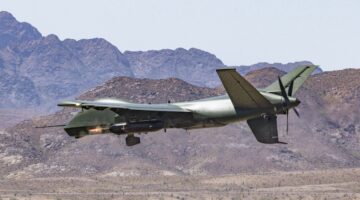
Mojave STOL and Gray Eagle® 25M: Complementary capabilities for the modern battlefield
Both aircraft are designed to evolve as threats and mission requirements change.

Both aircraft are designed to evolve as threats and mission requirements change.

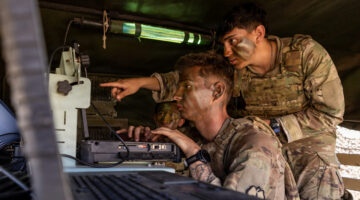
Lightning Surge exercises are turning soldier feedback on NGC2 into operational software changes in days, not years.

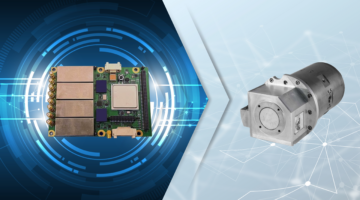
As threats continue to evolve, speed will increasingly depend on what is already available when the need emerges.

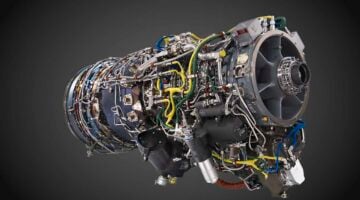
Rolls-Royce is advancing U.S. defense capabilities with its modern AE engine family, powering critical platforms like the MV-75 Future Long Range Assault Aircraft, MQ-25 Stingray and many others.

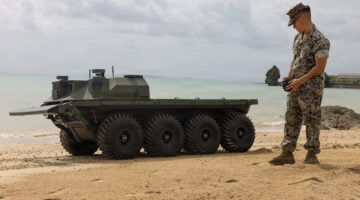
Unmanned systems reduce risk, extend communications chains and provide more precise delivery capabilities.


Open architectures promise to break vendor lock and speed electronic warfare for UAS, missiles, and loitering munitions.


The future of Army aviation will be avionics flight testing where new code is written and uploaded before the helicopter lands.


A commitment to long-term operational value.


With the best mix of capability, size & cost.

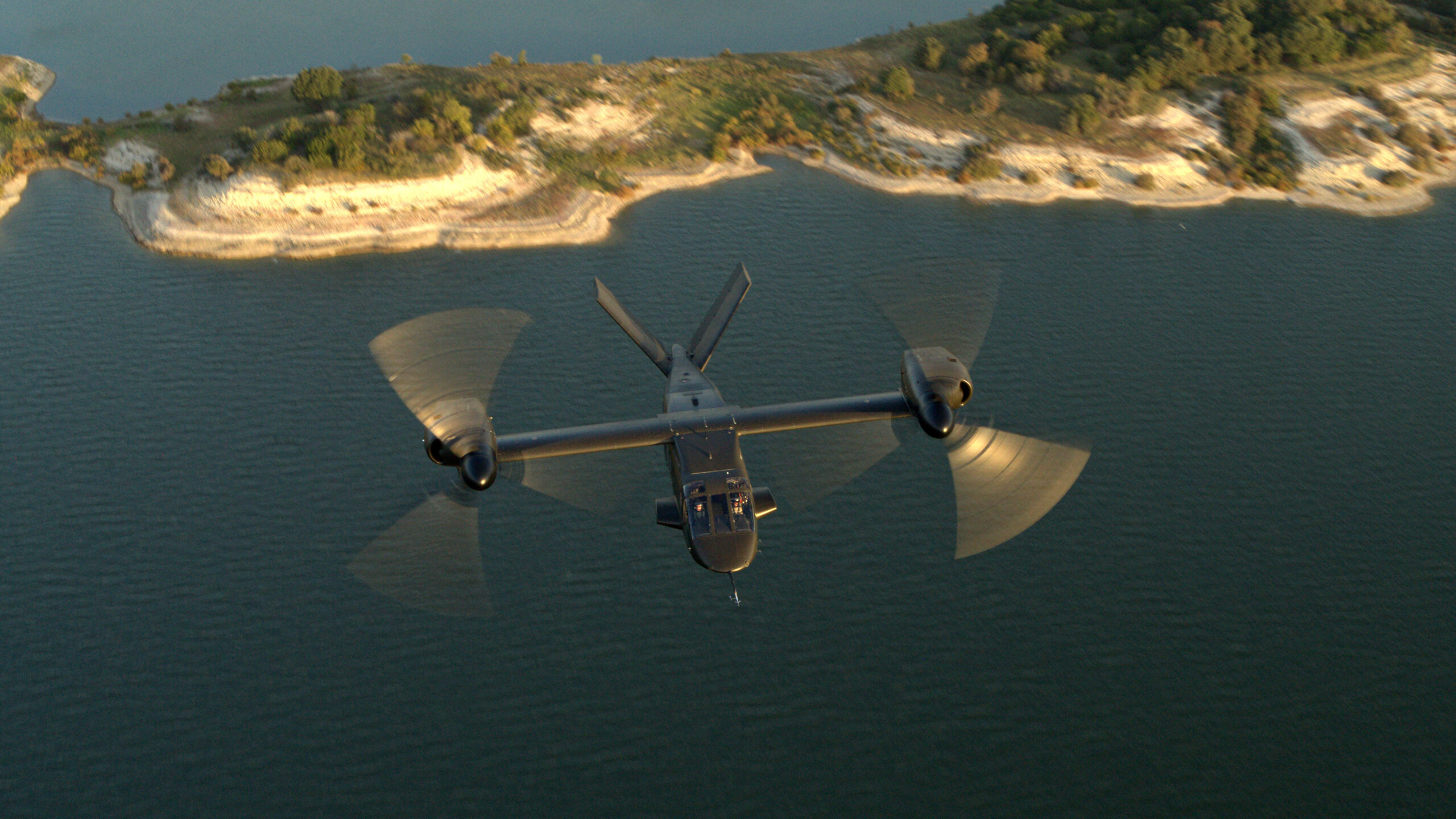
MOSA and the digital backbone give the Army a vendor-agnostic path to make aircraft system modifications from the outset of Future Vertical Lift.

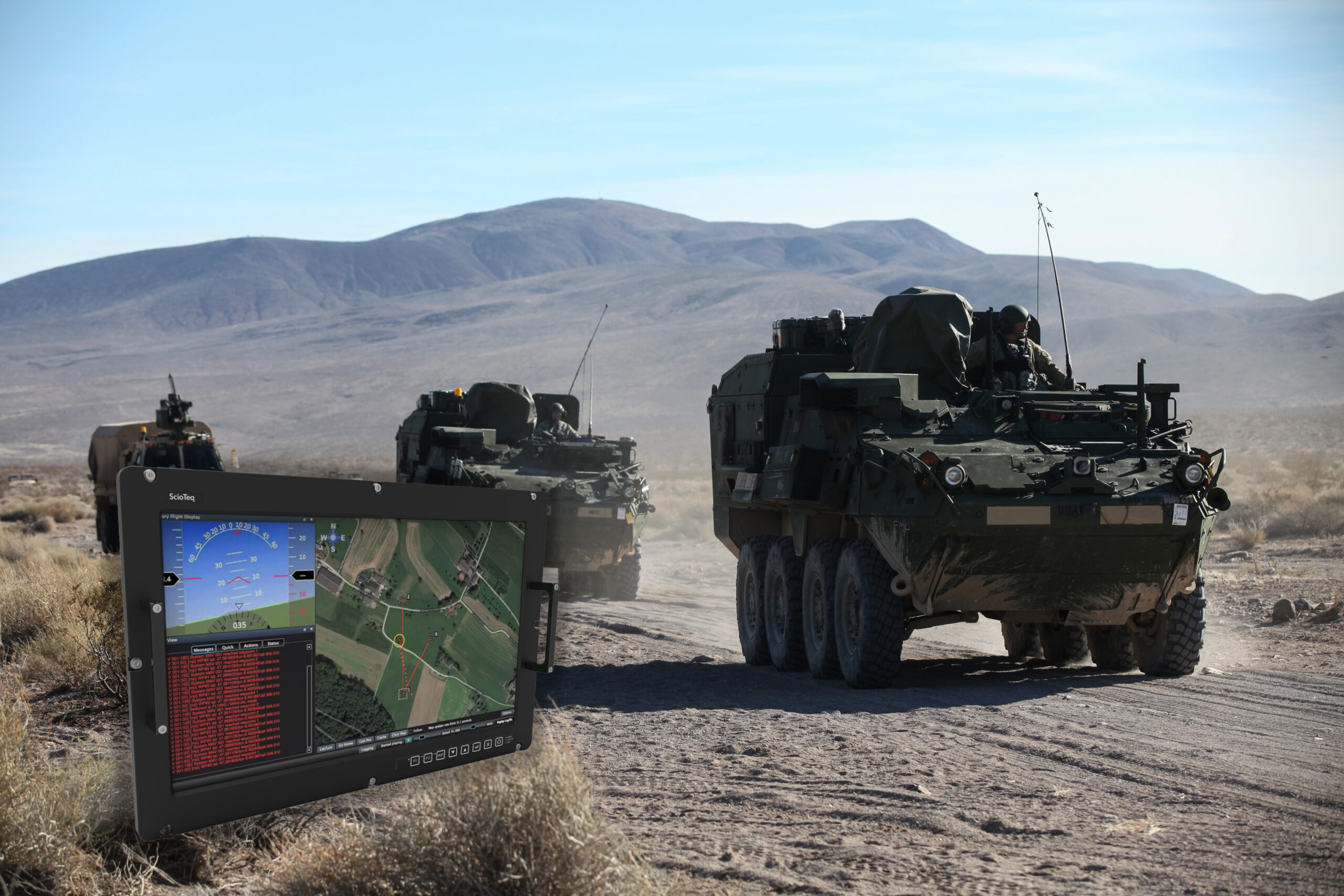
The Army is upfitting vehicles with big 24 or 32-inch displays that present multiple sources of data for a full operational picture.
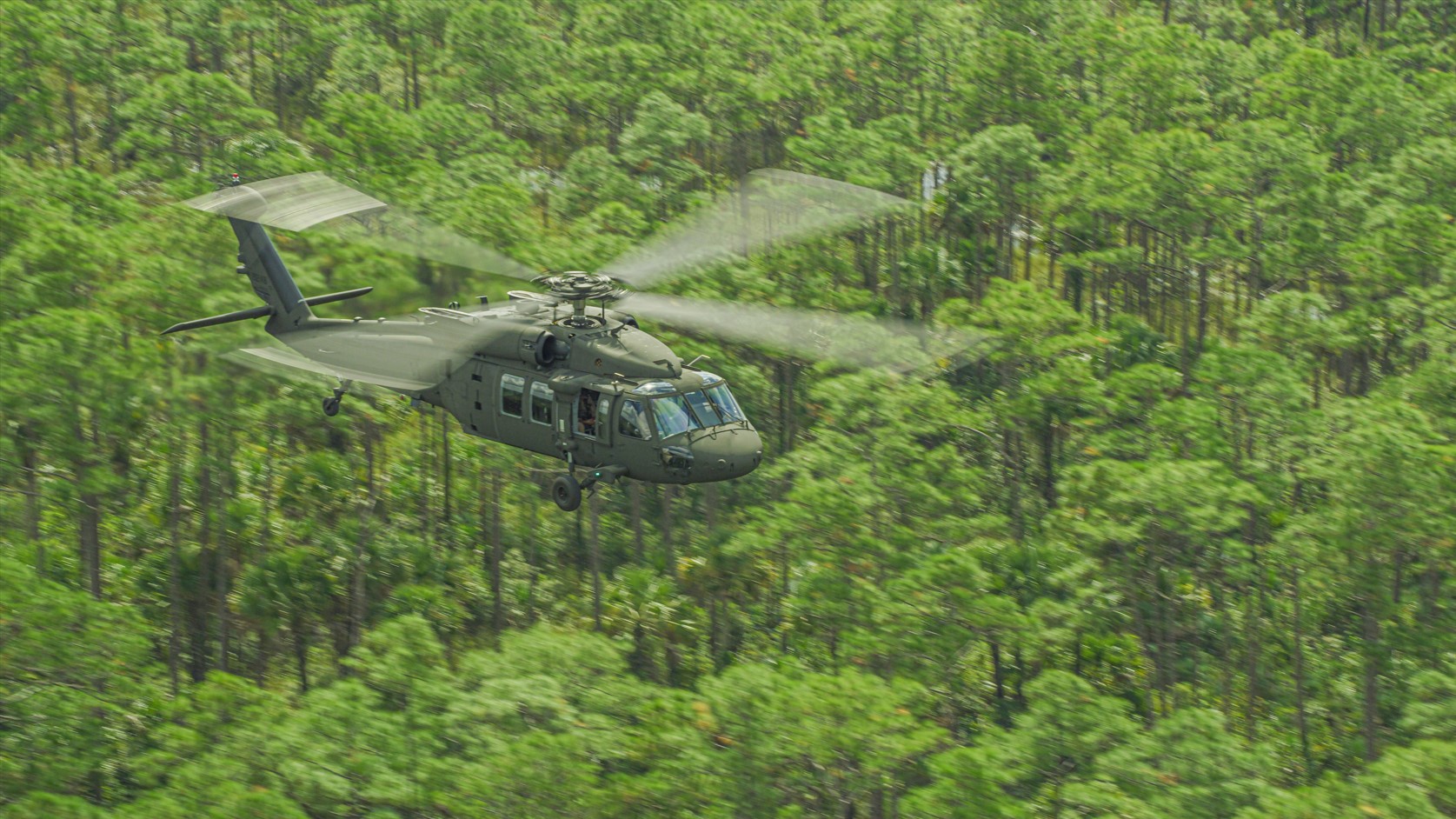
The role of rotary wing aircraft in a 21st century security environment include operations in multi-domain operations and Joint All Domain Command and Control.

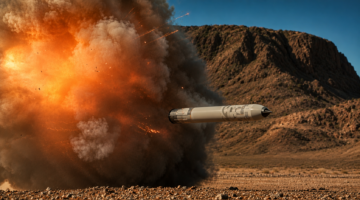
The goal of such weaponization is to tie warfighter needs to the RDT&E cycle.


An open digital architecture leads to increased interoperability, affordability, upgrades and enhanced capabilities like launched effects and autonomy.

Gray Eagle STOL and Gray Eagle 25M are the best options for Army aviation as it assesses where to move from its current inflection point.
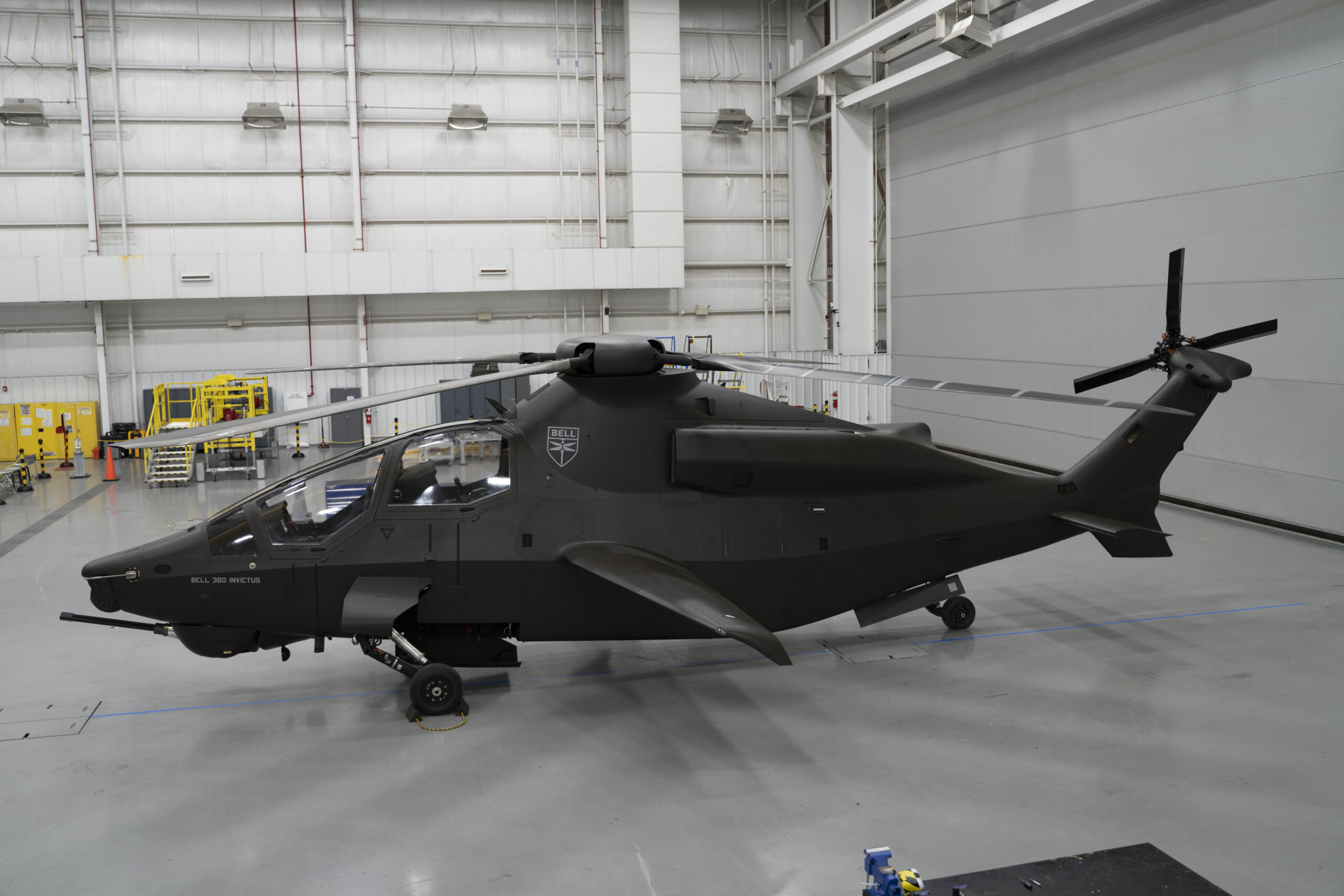
Different on the outside but with commonalities on the inside, the Army’s Future Attack Reconnaissance Aircraft (FARA) will share a MOSA backbone with the Future Long Range Assault Aircraft (FLRAA).
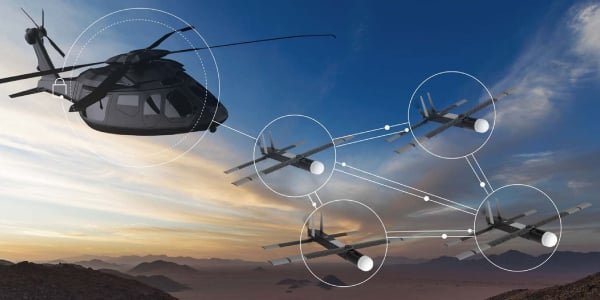
There are many critical connections being made across the FVL ecosystem that will also serve to modernize the current fleet.